
Laaster in Technology: Smart Trends Changing Industries
Technology keeps changing faster than most businesses can adapt. One year, companies are focused on cloud systems. The next, everyone is discussing AI automation, cybersecurity threats, or advanced data processing. Somewhere in the middle of all this change, the concept of Laaster in Technology has started gaining attention among digital professionals, developers, startups, and business strategists.
The term may sound unfamiliar at first. But once you explore its role in modern systems, it becomes easier to understand why people are searching for it. Laaster in Technology connects with digital infrastructure, intelligent systems, automation strategies, and evolving online experiences. It reflects the shift toward smarter technology environments that focus on speed, scalability, and efficiency.
Businesses today face constant pressure to improve operations while reducing costs. At the same time, users expect faster services, personalized experiences, and secure digital platforms. That pressure has pushed organizations toward modern frameworks that support innovation without creating unnecessary complexity.
What Is Laaster in Technology?

Laaster in Technology refers to a modern approach to digital systems that combines intelligent automation, scalable infrastructure, connected platforms, and user-focused innovation. Rather than focusing on one isolated technology, it represents a broader ecosystem where multiple technologies interact efficiently.
At its core, Laaster emphasizes three major goals:
- Improving operational efficiency
- Simplifying digital processes
- Creating connected technology experiences
This approach can apply to various industries, including healthcare, finance, manufacturing, education, logistics, and e-commerce. Businesses adopting Laaster based systems often focus on improving communication between software, cloud services, automation tools, and data management systems.
One reason the topic has become important is because digital transformation no longer happens in stages. Businesses are expected to modernize continuously. Older systems often struggle to support modern user expectations, especially when scalability and security become priorities.
For example, many organizations now rely on combinations of:
- Artificial Intelligence
- Cloud Computing
- Machine Learning
- Internet of Things (IoT)
- Edge Computing
- Data Analytics
- Cybersecurity Systems
Laaster in Technology brings these systems together into more unified digital environments.
That integration creates several advantages. Teams work faster. Data moves more efficiently. Customer interactions improve. Decision-making becomes more accurate because information is centralized instead of scattered across disconnected platforms.
And businesses notice those differences quickly.
Why Laaster in Technology Matters Today
Technology adoption used to be optional for many industries. That’s no longer true.
Modern businesses compete in environments where speed, accuracy, and digital convenience directly affect profitability. Customers expect instant access, real-time updates, and personalized services. Companies unable to deliver these experiences often lose market share to faster competitors.
This pressure explains why Laaster in Technology matters today.
The modern digital economy depends heavily on interconnected systems. Businesses are no longer running one or two software tools internally. They manage cloud infrastructure, customer databases, cybersecurity systems, remote communication platforms, AI analytics, mobile applications, and automated workflows simultaneously.
Without proper integration, these systems become difficult to manage.
Laaster-based frameworks help organizations reduce fragmentation. Instead of operating separate disconnected technologies, businesses create unified ecosystems where systems communicate efficiently.
This approach improves several business areas:
| Business Area | Impact of Laaster Systems |
|---|---|
| Customer Service | Faster response times |
| Operations | Reduced manual tasks |
| Security | Better threat monitoring |
| Analytics | Improved decision-making |
| Scalability | Easier business growth |
| Productivity | Faster workflow management |
The rise of remote work also accelerated demand for integrated technology environments. Teams now collaborate across different countries, devices, and software platforms daily. Businesses need infrastructure capable of supporting that complexity without sacrificing performance.
Another important factor is cybersecurity.
As digital systems expand, security risks increase. Fragmented systems often create vulnerabilities because different platforms may use inconsistent security standards. Laaster Technology encourages centralized management and coordinated security strategies, helping businesses respond to threats more effectively.
Core Technologies Behind Laaster Systems
Several modern technologies support Laaster-based environments. Each plays a specific role in creating connected digital ecosystems.
Artificial Intelligence
Artificial Intelligence has become one of the most influential technologies in modern business operations. AI systems analyze data, automate decisions, improve customer support, and predict patterns more efficiently than traditional systems.
Companies like OpenAI, Google Cloud, and Microsoft Azure continue expanding AI integration across industries.
Within Laaster systems, AI often supports:
- Predictive analytics
- Smart automation
- Customer personalization
- Fraud detection
- Intelligent search systems
Cloud Computing
Cloud infrastructure forms the foundation of many Laaster environments. Businesses increasingly rely on cloud platforms because they provide flexibility, scalability, and remote accessibility.
Major providers include:
- Amazon Web Services
- Microsoft Azure
- Google Cloud
Cloud systems reduce hardware costs while allowing businesses to scale operations faster.
Internet of Things (IoT)
IoT devices collect and exchange data across connected systems. Industries such as manufacturing, healthcare, logistics, and smart cities increasingly depend on IoT integration.
Examples include:
- Smart sensors
- Connected medical devices
- Automated warehouse systems
- Smart transportation networks
IoT systems help businesses gather real-time information for faster decision-making.
Cybersecurity Infrastructure
Cybersecurity has become essential within all modern digital environments. Businesses face increasing risks from ransomware, phishing attacks, and data breaches.
Laaster frameworks often prioritize:
- Endpoint security
- Identity management
- Threat detection systems
- Encryption technologies
- Cloud security monitoring
Security integration helps organizations reduce vulnerabilities across connected systems.
Real-World Applications of Laaster in Technology
One reason Laaster systems continue growing is because they solve practical business problems across multiple industries.
Healthcare
Hospitals and healthcare providers increasingly rely on integrated technology systems for patient management, diagnostics, and communication.
Healthcare applications include:
- Electronic health records
- AI-assisted diagnostics
- Remote patient monitoring
- Telemedicine platforms
These systems improve patient care while reducing administrative inefficiencies.
Financial Services
Banks and fintech companies use advanced technology ecosystems to improve security, automate transactions, and analyze customer behavior.
Common applications include:
- Fraud prevention systems
- AI-powered customer support
- Real-time transaction monitoring
- Digital banking infrastructure
Companies like PayPal and Stripe demonstrate how integrated technology systems support modern financial operations.
Manufacturing
Manufacturing companies increasingly use automation and IoT systems to optimize production processes.
Benefits include:
- Predictive equipment maintenance
- Supply chain tracking
- Automated quality control
- Real-time inventory management
These improvements reduce downtime and improve operational efficiency.
E-Commerce
Online retail businesses rely heavily on connected systems for customer management, inventory tracking, payment processing, and personalized recommendations.
E-commerce technology ecosystems often combine:
- AI recommendation engines
- Cloud hosting systems
- Logistics integration
- Customer analytics
This integration improves both customer experience and operational performance.
Benefits of Laaster in Technology
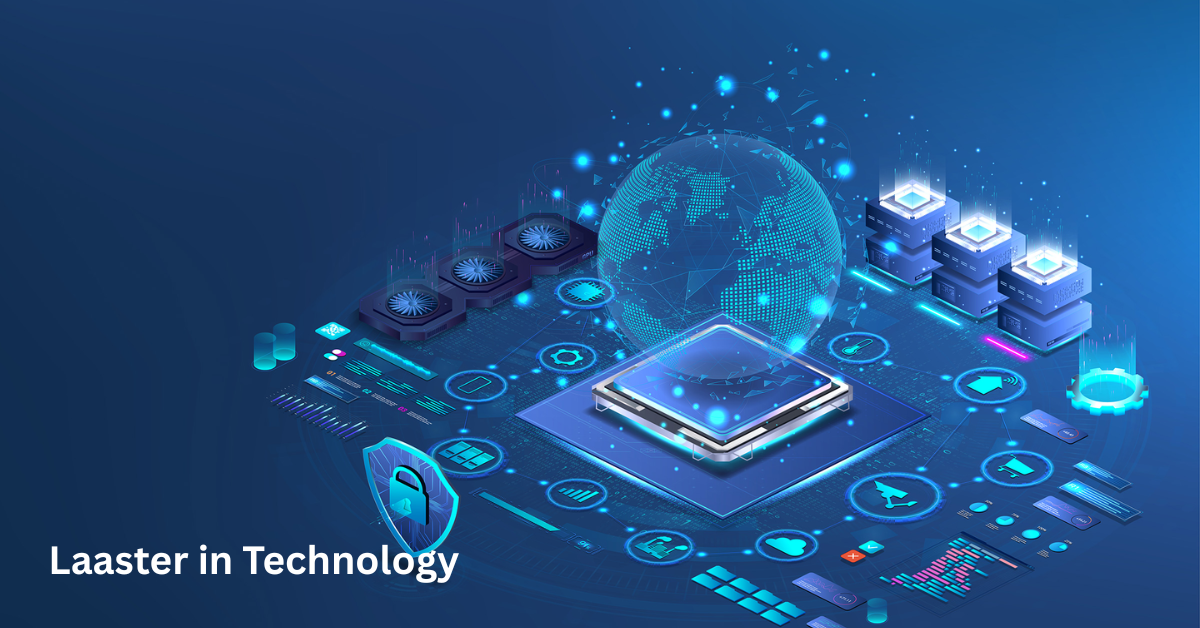
Organizations adopting Laaster-based systems often experience several measurable benefits.
Faster Decision-Making
Integrated analytics platforms provide real-time insights, helping businesses respond more quickly to market changes and operational issues.
Improved Scalability
Modern cloud infrastructure allows organizations to expand operations without major hardware investments.
Better Customer Experiences
Connected systems help businesses deliver personalized, consistent experiences across multiple platforms.
Reduced Operational Costs
Automation reduces repetitive manual work while improving efficiency.
Stronger Data Management
Centralized systems simplify information storage, organization, and analysis.
And perhaps most importantly, businesses become more adaptable.
That flexibility matters because technology trends rarely stay still for long.
Challenges Businesses Face
Despite the benefits, adopting Laaster in Technology also creates challenges.
Integration Complexity
Combining multiple systems can become technically difficult, especially for organizations using outdated infrastructure.
Cybersecurity Risks
Connected systems create larger attack surfaces if security measures are inconsistent.
Employee Training
Teams often require training to adapt to new technologies and workflows.
Cost of Transition
Initial investment costs may be high, especially for large organizations modernizing legacy systems.
Businesses that succeed usually adopt gradual implementation strategies rather than attempting complete transformation immediately.
Laaster in Technology vs Traditional Systems
| Feature | Traditional Systems | Laaster Systems |
|---|---|---|
| Scalability | Limited | Highly scalable |
| Automation | Minimal | Extensive |
| Data Accessibility | Fragmented | Centralized |
| Flexibility | Low | High |
| User Experience | Inconsistent | Unified |
| Security Integration | Separate tools | Coordinated systems |
This comparison highlights why businesses increasingly move toward integrated digital ecosystems.
Future Trends in Laaster Technology
Several trends are likely shaping the future of Laaster systems.
AI Expansion
AI adoption continues increasing across nearly every industry.
Edge Computing
Edge systems reduce latency by processing data closer to users and devices.
Smart Cities
Urban infrastructure increasingly relies on connected digital ecosystems.
Advanced Automation
Businesses continue automating repetitive operational tasks to improve efficiency.
Sustainable Technology
Organizations are also focusing more on energy-efficient infrastructure and environmentally responsible computing systems.
FAQ
What does Laaster in Technology mean?
Laaster in Technology refers to integrated digital systems that combine automation, cloud infrastructure, AI, and connected platforms to improve efficiency and user experiences.
Why is Laaster important for businesses?
It helps businesses improve scalability, streamline workflows, strengthen cybersecurity, and deliver better customer experiences.
Which industries use Laaster systems?
Healthcare, finance, manufacturing, logistics, retail, education, and e-commerce industries increasingly rely on integrated digital ecosystems.
Is Laaster in Technology connected to AI?
Yes. Artificial Intelligence often plays a major role within Laaster systems by supporting automation, analytics, and predictive decision-making.
What are the biggest challenges of Laaster adoption?
Integration complexity, cybersecurity risks, employee training requirements, and transition costs are common challenges.


